UBC leads cutting-edge research in sustainable energy systems designed to operate in harsh Arctic environments, leveraging expertise in biofuels, renewable energy storage, and clean fuel technologies to address the unique challenges of northern operations.

Researchers at UBC are pioneering sustainable energy solutions for Arctic conditions, including advanced biofuel combustion systems that reduce greenhouse gas emissions, energy storage technologies that function reliably in extreme cold, community-based energy transition research, and renewable energy systems optimized for remote northern communities. These innovations directly support Canada's goals for Arctic energy sovereignty, reduced carbon emissions, and sustainable resource development in northern regions.

UBC's interdisciplinary approach combines chemical engineering, mechanical systems, and materials science to develop comprehensive energy solutions. Through partnerships with industry leaders and northern communities, UBC researchers are creating scalable technologies that can transform energy production and storage in Canada's Arctic regions. 

Research Excellence Clusters

Clean Energy Research Centre (CERC)

CERC is UBC's flagship clean energy research hub, focusing on sustainable energy conversion, storage, and utilization technologies. The centre addresses critical challenges in renewable energy deployment, energy storage in harsh environments, and the integration of sustainable fuels into existing infrastructure.

Bioenergy Research and Demonstration Facility (BRDF)

BRDF represents one of North America's first integrated biomass energy systems, demonstrating the feasibility of renewable biomass for large-scale heating and power generation. The facility processes urban wood waste and renewable natural gas to provide significant portions of UBC's energy needs and serves as a testing ground for biomass technology

Smart Hydrogen Energy District (SHED)

SHED is UBC's $23-million renewable energy hub that showcases hydrogen production, storage, and utilization technologies. This unique testbed demonstrates how hydrogen technologies can be integrated with renewable energy generation and energy storage systems, providing a model for hydrogen infrastructure development in remote Arctic locations.

Major Partners

Image
Logos of major partners

Research Expertise

Image
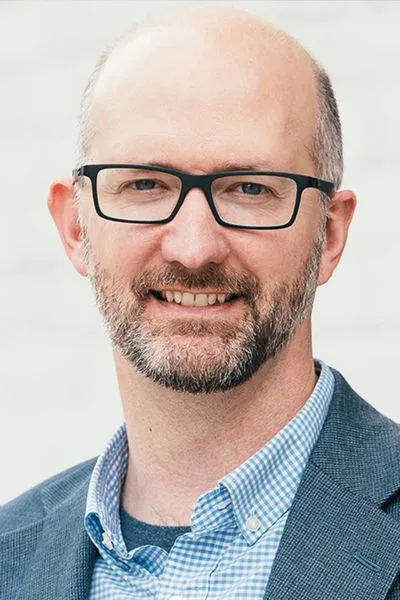
Patrick Kirchen portrait

Patrick Kirchen

Associate Professor, Mechanical Engineering, Bruce Rosenblatt & Associates Professor in Marine Engineering

Biofuels combustion and greenhouse gas emission reduction, sustainable ship propulsion systems, low carbon intensity fuels implementation, marine engine retrofitting for renewable fuels

Image
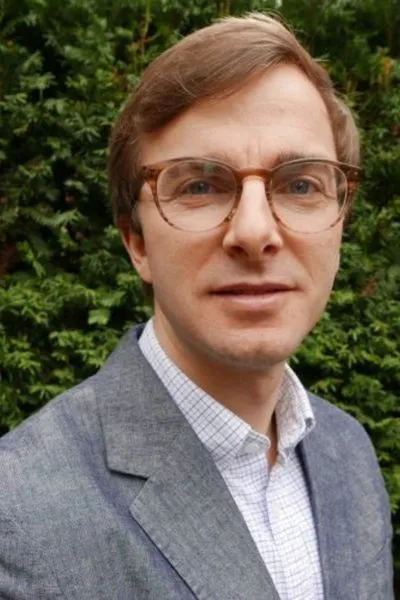
Chester Upham portrait

Chester Upham

Assistant Professor, Chemical and Biological Engineering

Sustainable aviation fuels production, CO2-to-fuel conversion technologies, catalyst development for clean fuel production, carbon dioxide utilization for valuable chemical synthesis

Image
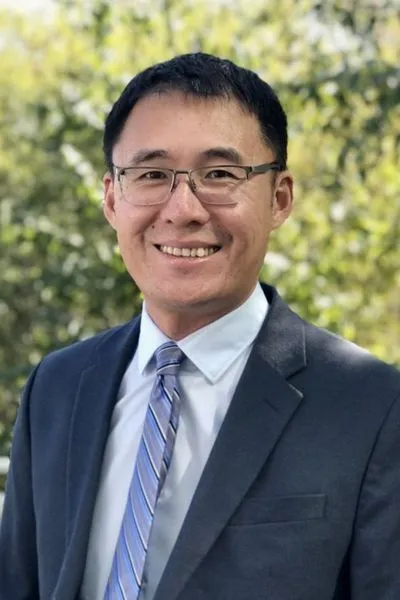
Eric Lees portrait

Eric Lees

Assistant Professor, Chemical and Biological Engineering

Electrochemical engineering, electrochemical synthesis, continuum modelling, reactor design, transport phenomena, electrochemical separations, CO2 capture and conversion

Image
Elod Gyenge portrait

Előd Gyenge

Professor, Chemical and Biological Engineering

Energy storage systems for harsh environments, electrochemical energy conversion, fuel cell technologies, coupled water treatment and CO2 conversion processes

Image
Kiana Amini portrait

Kiana Amini

Assistant Professor, Materials Engineering

Electrochemical engineering, long-duration energy storage devices, redox flow batteries, electrochemical carbon capture, and electrochemical extraction of metals

Image
Jian Liu portrait

Jian Liu

Professor, School of Engineering

Clean energy systems integration, renewable energy optimization, smart grid technologies for remote communities

Research News

Let's work together

Join us. Bring research and innovation insight to your biggest challenges. We work with industry, non-profit and government partners to accelerate solutions for the future.

UBC is located on the traditional, ancestral and unceded territories of the xʷməθkʷəy̓əm people (Musqueam; which means 'People of the River Grass') and Syilx Okanagan Nation. The land has always been a place of learning for the Musqueam and Syilx peoples, who for millennia have passed on their culture, history and traditions from one generation to the next.

UBC Crest The official logo of the University of British Columbia. Arrow An arrow indicating direction. Arrow in Circle An arrow indicating direction. Caret An arrowhead indicating direction. E-commerce Cart A shopping cart. Time A clock. Chats Two speech clouds. Facebook The logo for the Facebook social media service. Social Media The globe is the default icon for a social media platform. TikTok The logo for the TikTok social media platform. Calendar Location Home A house in silhouette. Information The letter 'i' in a circle. Instagram The logo for the Instagram social media service. Linkedin The logo for the LinkedIn social media service. Location Pin A map location pin. Mail An envelope. Telephone An antique telephone. Play A media play button. Search A magnifying glass. Arrow indicating share action A directional arrow. Speech Bubble A speech bubble. Star An outline of a star. Twitter The logo for the Twitter social media service. Urgent Message An exclamation mark in a speech bubble. User A silhouette of a person. Vimeo The logo for the Vimeo video sharing service. Youtube The logo for the YouTube video sharing service. Future of work A logo for the Future of Work category. Inclusive leadership A logo for the Inclusive leadership category. Planetary health A logo for the Planetary health category. Solutions for people A logo for the Solutions for people category. Thriving cities A logo for the Thriving cities category. University for future A logo for the University for future category.